Nigeria 🇳🇬 is ready for business.

Nigeria is ready for business.
The recent IMF report ranking Nigeria as the 6th contributor to Global Real GDP growth in 2026, with a 1.5% contribution—ahead of Germany and other—is not a fluke. It is a well-deserved recognition that reflects a market that is increasingly structured, reform-driven, and open to serious foreign and institutional capital.
At a time when global economic growth slowed to an estimated 3.20% in 2025, down from 3.30% in 2024, Nigeria’s economy remained resilient—recording an estimated 3.89% growth in 2025, up from 3.38% in 2024. In relative terms, this positions Nigeria as one of the more compelling growth stories among emerging markets.
This continuous progressive performance of the Nigerian economy is the result of deliberate reforms and long-term investment by the government—particularly in critical infrastructure such as roads, rail, power, and domestic oil refining—supported by fiscal and regulatory policies designed to unlock private capital and stimulate sustainable growth across all sectors.
One of the clearest signals of this progress is the non-oil sector, which grew by over 54% in 2025 compared to 2024 and generated more revenue than the oil sector. For foreign investors, this shift materially reduces concentration risk and opens access to diversified, scalable opportunities beyond Oil and Gas.
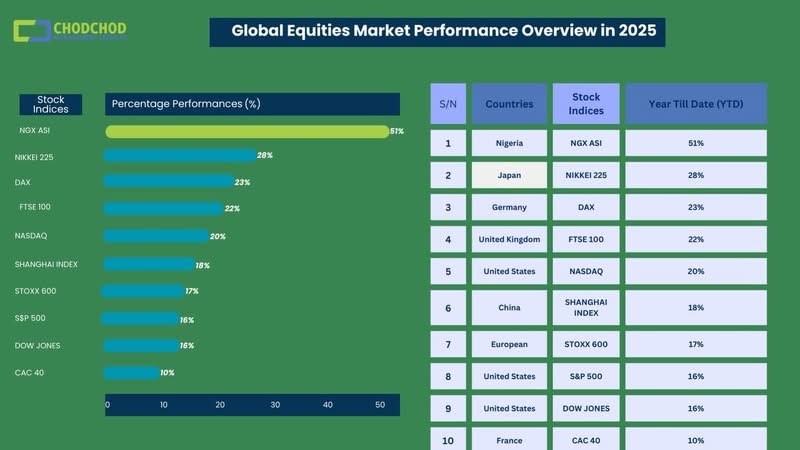
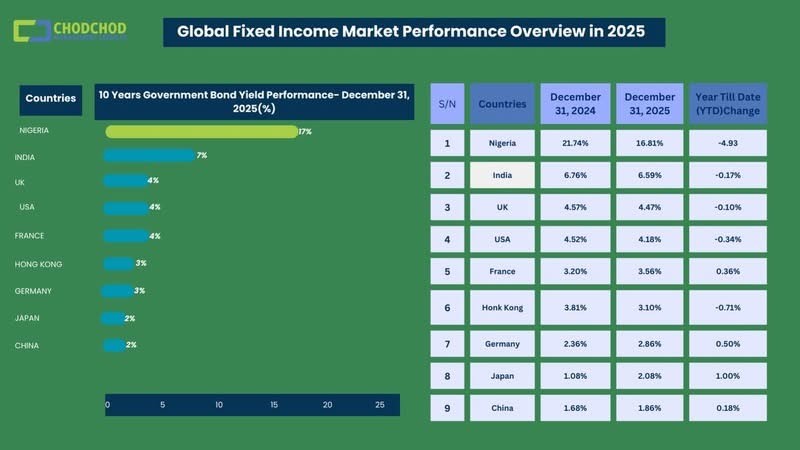
Investor confidence has also been strengthened by Nigeria’s exit from the Financial Action Task Force (FATF) Grey List, the European Union’s removal of Nigeria from its “high-risk” country list, and the growing depth, liquidity, and yield attractiveness of Nigeria’s equities and fixed-income markets. These developments collectively point to improved transparency, governance, and market accessibility.
Over the coming weeks, I will be sharing practical, investor-focused insights on why Nigeria is increasingly attractive as an investment destination—covering market entry, investment security, capital protection, tax incentives, human capital, competitive returns, risk mitigation, and execution from a practitioner’s perspective.
For foreign and institutional investors (and representatives):
What are the top biggest concerns that has held you back from investing in Nigeria—repatriation, Foreign Exchange risk, governance, deal execution, or something else?
Kindly share and I’ll ensure to address them one by one in coming weeks.
Nigeria is now an “Institutional Grade” economy that has great potentials for institutional investors especially those with first mover status and if you are exploring exposure to frontier, institutional and emerging markets, seeking on-the-ground insight, or looking for credible structures and partners to deploy capital into Nigeria, stay connected.
Nigeria is ready for business—and the opportunities are becoming harder to ignore.
We can’t wait to support you as you #InvestInNigeria .
#NigeriaMeansBusiness #NigeriaIsReadyForBusiness #InvestInNigeria